NovaLumi is a school that employs the Lumiar methodology, which offers a new way of understanding education by placing the student at the center of their own learning.
Our approach combines academic development with projects, hands-on experiences, and each student’s interests, promoting autonomy, creativity, critical thinking, and collaboration.
Our Methodology
NovaLumi is based on the Lumiar methodology, recognized by Stanford University, Microsoft, and UNESCO as one of the 12 most innovative pedagogical approaches in the world. It is an approach built on six pillars that places the student at the center and transforms the way learning happens.
Mosaic
Learning does not happen in parts.
Growth either
Mosaico is the platform that connects and makes visible everything that happens during the learning process. It integrates projects, interests, competencies, and evidence to show how each student evolves over time. Families, mentors, and students can understand learning as it unfolds, turning every experience into a meaningful part of continuous growth.
Personalized learning
Each student builds a unique path, exploring content and developing competencies through projects, challenges, and personal interests.
Leading role and autonomy
The student actively participates in their learning, developing curiosity, responsibility, and autonomy to act consciously in the world.
Visible learning
Mosaico Digital enables the planning, recording, monitoring, and evaluation of the entire pedagogical journey, connecting students, tutors, teachers, administrators, and families.
Tutor and Teacher
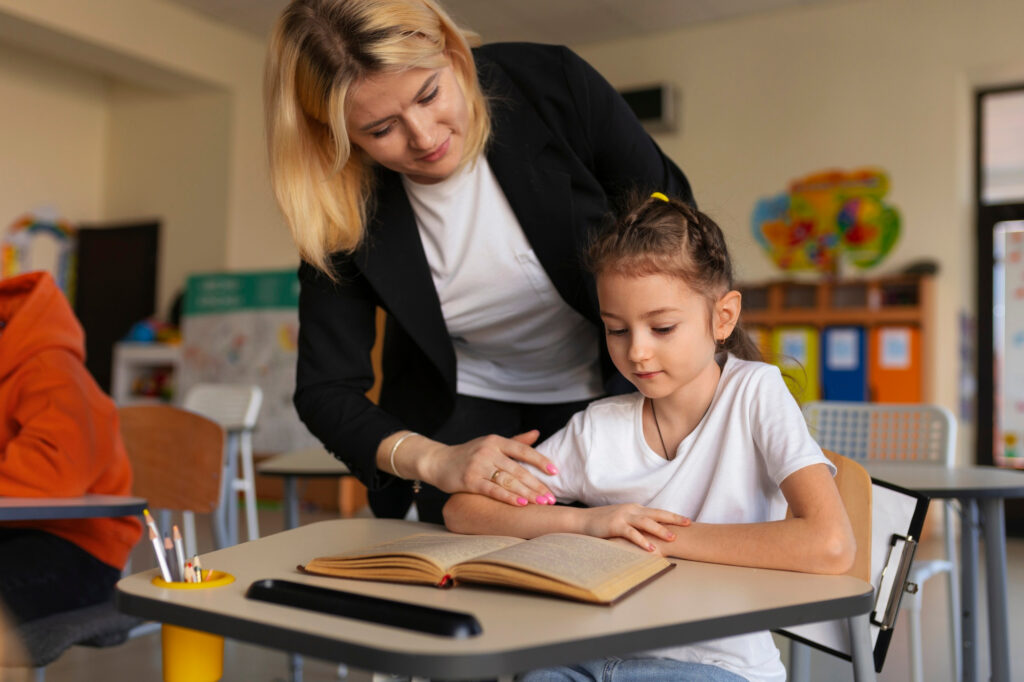
The tutor closely supports each group throughout their educational journey. With a keen eye on each student’s interests, talents, needs, and challenges, the tutor guides their learning experiences and helps foster an environment of autonomy, positive social interaction, and participatory management.
The teacher contributes knowledge, experience, and passion through projects, modules, and workshops. Their role is to broaden approaches to learning by connecting subject matter with practical experiences and creating opportunities for students to explore, experiment, and develop new skills.
Multi-age
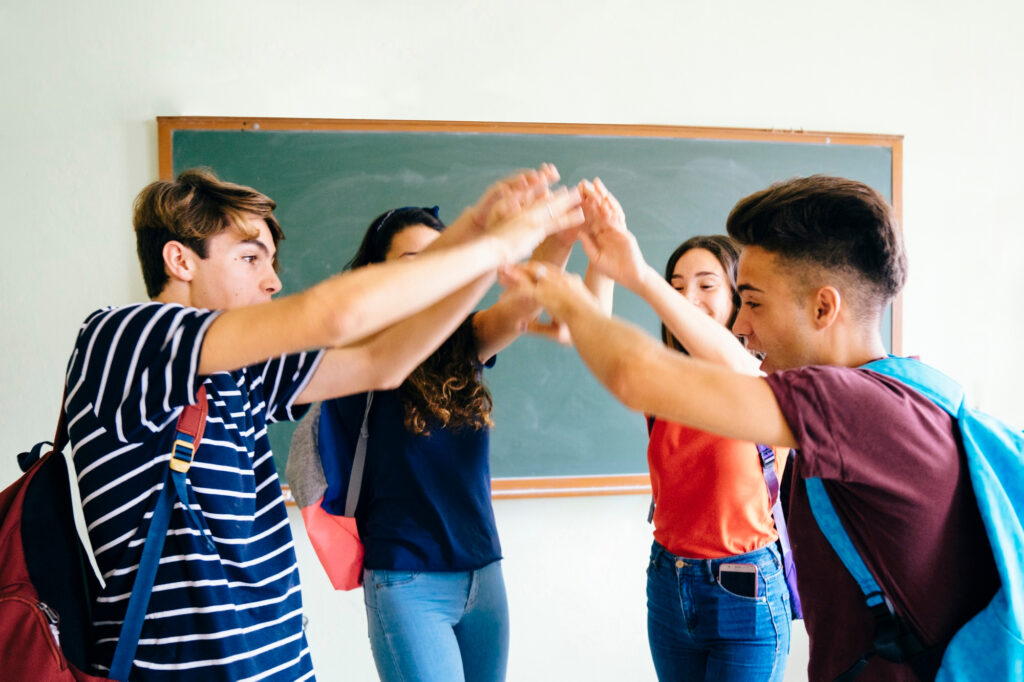
Students of different ages share a learning space, collaborating on projects and experiences with common goals. This age diversity promotes interaction, cooperation, and the development of social skills, as each student takes on different roles based on their abilities and interests.
Multi-age groupings create an environment that more closely mirrors life outside of school, where we learn and interact with people of various ages. Each student follows their own academic path while participating in a diverse community where teaching, collaboration, and learning happen continuously.
Participatory management
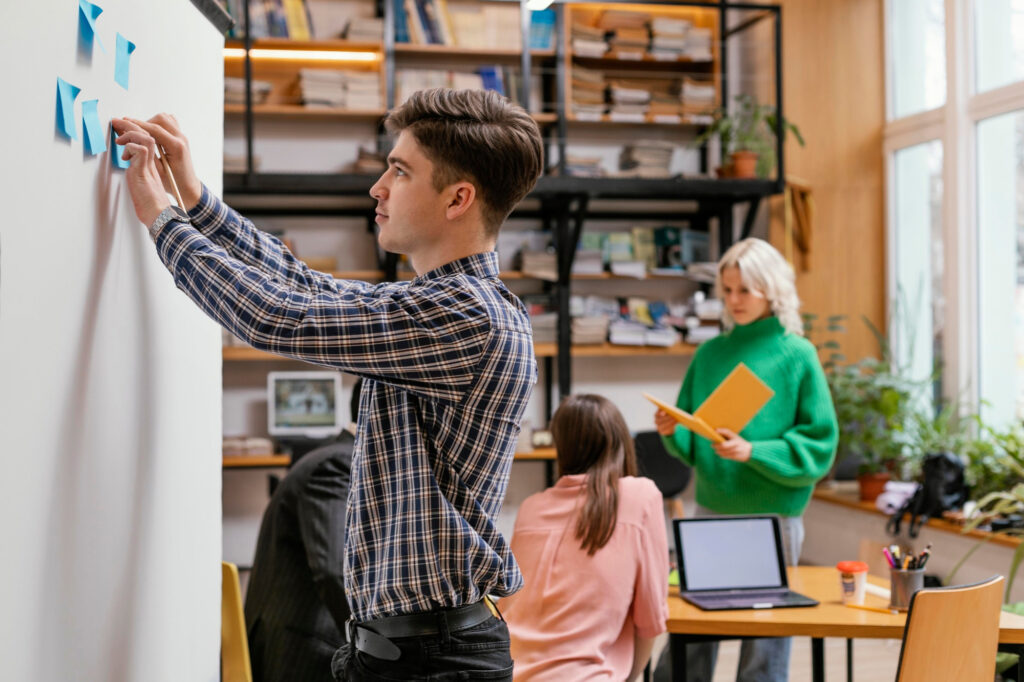
School life is built collaboratively, involving students, educators, families, and management teams in day-to-day decision-making. While each person has a distinct role and set of responsibilities, everyone has a voice and is recognized as an active member of the community.
Through forums such as the “Roda”, students engage in discussions, reach agreements, and make real decisions regarding school life and organization. In this way, democracy moves beyond a mere concept to become a daily experience that fosters autonomy, responsibility, dialogue, and the ability to devise collective solutions.
Active Learning
Learning takes place through action. Students investigate, experiment, create, and collaborate to develop skills and understand concepts they can apply in the real world.
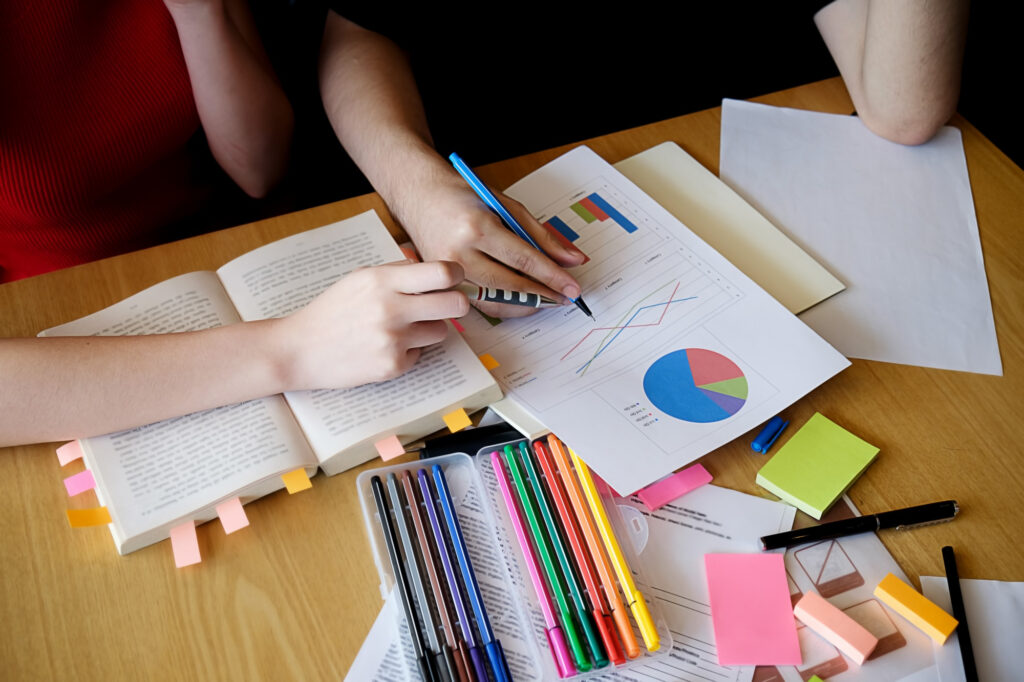
Projects, workshops, modules, individual research, and real-world experiences form part of a dynamic routine connected to each group’s interests. In this process, students do not merely receive knowledge; they formulate questions, seek answers, make decisions, create solutions, and reflect on their own learning.
Each experience is documented and tracked via Mosaico, making it possible to value not only the final result but also the entire development process.
Comprehensive Assessment
Assessment accompanies the entire learning process. Rather than focusing solely on grades or the memorization of content, it seeks to identify and document concrete evidence of each student’s development.
Through various tools, modes of expression, and assessment stages, students and educators actively participate in the process. Self-assessment, observation, projects, activities, and participation in the school community make it possible to recognize progress in skills, knowledge, autonomy, organization, critical thinking, and social interaction.
In this way, assessment becomes a tool for understanding where each student stands, guiding their next steps, and making their growth visible over time.